

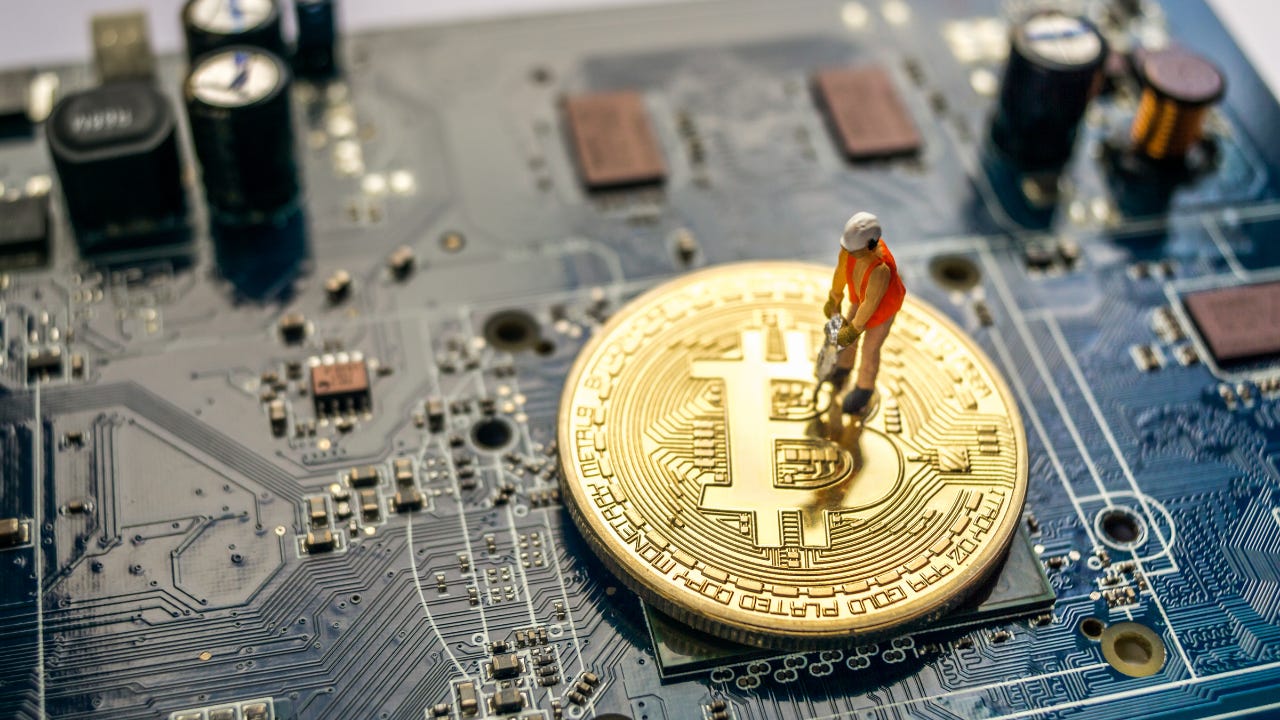
Every so often, news ripples through the Bitcoin community that a solo miner using a small device, sometimes something like a BitAxe, has actually found a block and claimed the full reward. Screenshots get shared, people congratulate the miner, and for a brief moment, the space feels electric. These rare wins do more than just make for a good story; they remind everyone that Bitcoin does not care who you are, who you know, or how much money you have. A tiny miner humming on a shelf and a giant industrial farm both submit hashes to the same network, under the same rules, and sometimes the little one wins.
To understand why those moments feel so special, it helps to see the wider mining landscape. Most miners today participate through mining pools. A pool lets many separate miners combine their computing power so that they find blocks more regularly and share the rewards. Instead of waiting months or years for your own machine to “hit” a block, you point your hardware to the pool, submit your work, and receive small, frequent payouts based on how much power you contribute. It is like turning the wild swings of a lottery into something closer to a steady paycheck. For many individuals and most mining companies, that predictability makes mining feasible: electricity bills are steady, hardware ages, and regular income makes budgeting possible.
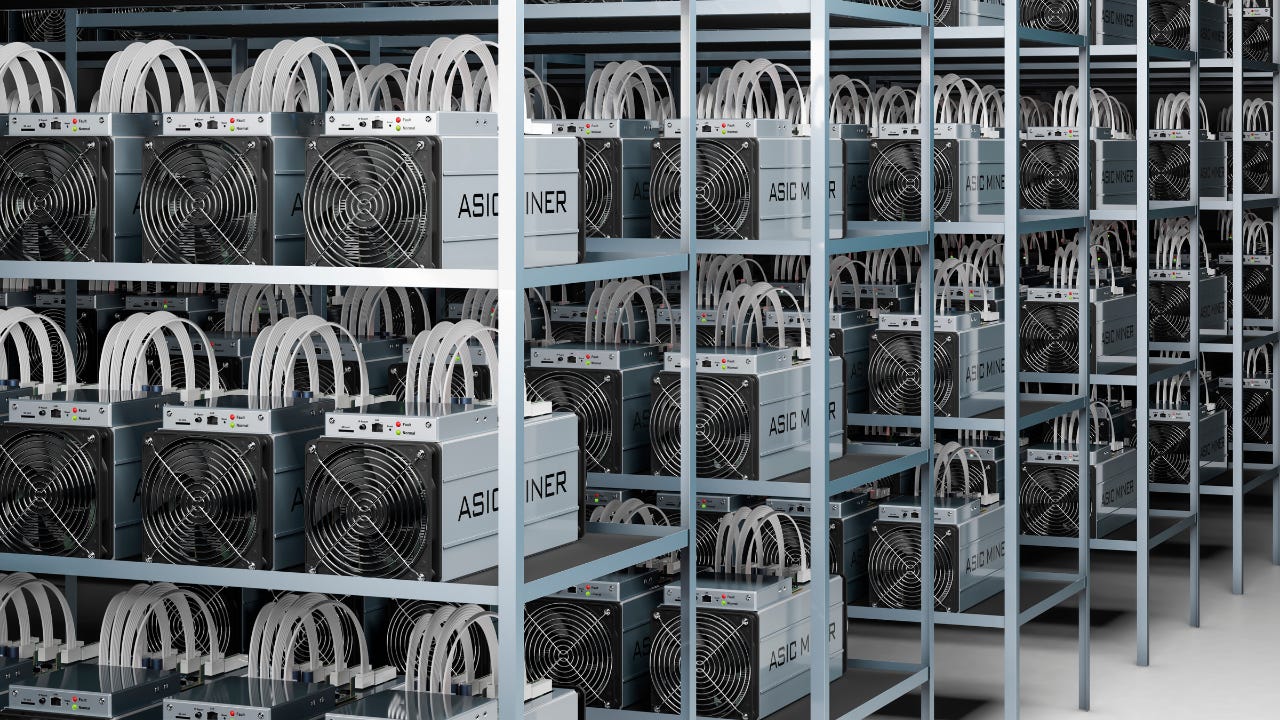
Large mining companies operate at a scale most home miners never see. They fill warehouses with specialized ASIC (Application Specific Integrated Circuit) machines, negotiate low-cost power deals, and invest heavily in cooling, monitoring, and optimization. Their operations provide a substantial portion of the hash rate that secures Bitcoin, helping ensure that blocks arrive roughly every 10 minutes. These companies often operate within formal regulatory frameworks, which can bring transparency and legal stability but also require them to respond to local rules, reporting requirements, and policy changes. When they point their fleets at mining pools, they create a powerful backbone for the network’s security and reliability.
Those structures, pools, and large companies naturally draw attention from regulators and observers simply because they are visible and organized. When significant hash power is concentrated in these setups, it is clear where laws may apply and where business decisions could influence how mining is conducted. That is not inherently negative; it is just part of how a maturing industry works. Pools and professional miners are crucial to Bitcoin’s infrastructure and help the network operate at a global scale.
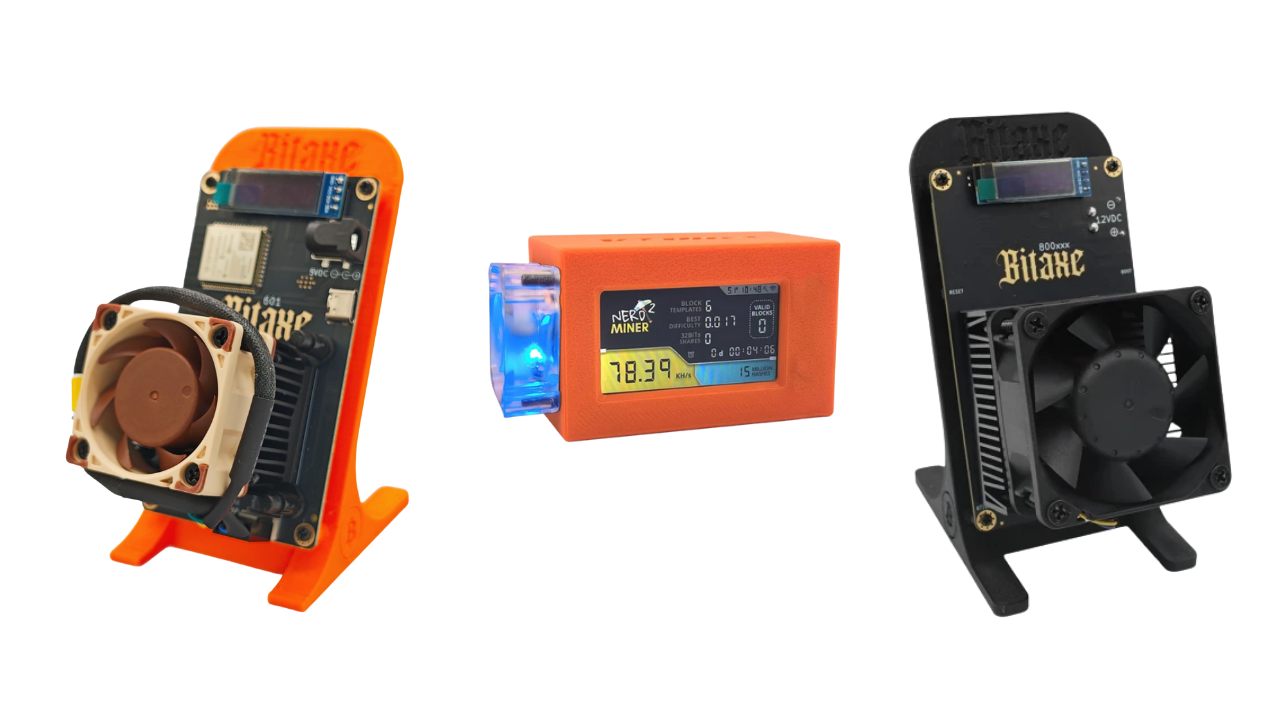
Solo mining, though, lives in a very different emotional space. Instead of sending work to a shared coordinator, a solo miner points their hardware directly at a Bitcoin node, often one they run themselves. There is no smoothing of rewards and no periodic payout for partial work. You either find a block and receive the entire block reward plus transaction fees, or you receive nothing. The underlying math is the same, but the experience is far more intense: long stretches of silence punctuated by the remote possibility of a single, dramatic success.
Small devices like BitAxe have brought this kind of mining back within reach for regular people. These compact, efficient ASIC-based miners are not trying to rival industrial farms; they are designed so that someone at home can plug in a device, connect it to their node or a solo mining server, and meaningfully participate in securing the network. The odds of a single small miner finding a block remain tiny, but the barrier to entry is much lower. Solo mining becomes less of a pure financial bet and more of a personal experiment, a hobby, and an expression of values.
For the individual, solo mining can change the way Bitcoin feels. Instead of just holding coins in a wallet or using a service, you become part of the machinery that enforces the rules. Running a node, configuring your miner, and watching blocks propagate across your own setup turns abstract ideas like “consensus” and “proof of work” into something you can see and touch. If your solo rig is ever lucky enough to find a block, the sense of ownership is profound: your node assembled that block, your hardware performed the work, and your reward arrived with no intermediaries.
This speaks directly to Bitcoin’s philosophical roots. From its beginning, Bitcoin was designed as a system where anyone could join without permission and help enforce the rules through their own software and hardware. Solo mining, especially paired with running your own node, is one of the purest expressions of that idea. You decide which version of the Bitcoin software to run and which consensus rules you accept. In the rare moment that your miner discovers a block, you also choose which valid transactions to include. There is no pool operator shaping your block template, and no external entity filtering what you can or cannot support. It is just you, your machine, and the protocol.
On a broader level, solo mining contributes to decentralization in a quiet but meaningful way. The security of Bitcoin depends on a large total amount of hash power, which mining companies and pools provide. But the character and resilience of Bitcoin depend on how that power is distributed and who controls it. When individuals around the world run their own nodes and occasionally mine on their own, they add many small, independent centers of decision-making. Even if each solo miner’s hash rate is tiny compared to a large farm, their presence makes it harder for any single group to push the network in a direction users do not want.
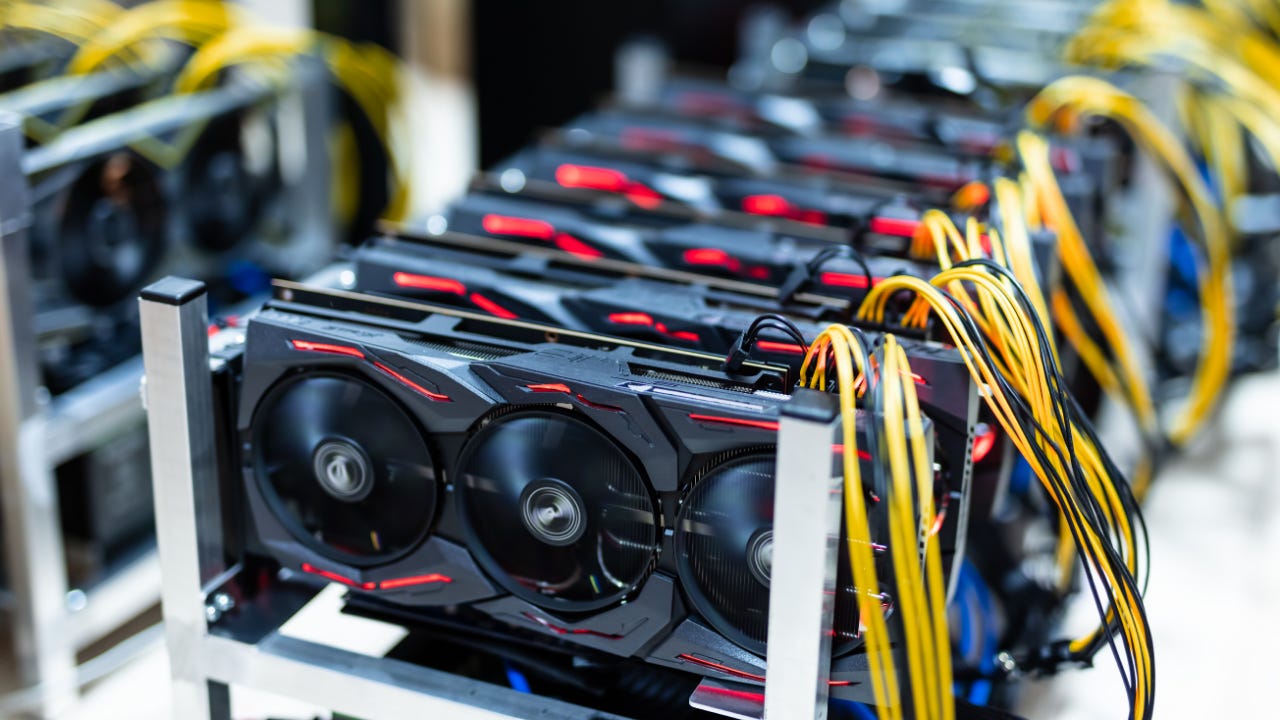
Solo mining is not the right fit for everyone. Many people whose main goal is a predictable income will continue to favor mining pools or other ways of gaining exposure to Bitcoin. Most solo miners will never find a block, and anyone considering it should understand those odds clearly. But viewed as an opportunity rather than a guarantee, solo mining offers something unique: a chance to step closer to the heart of the protocol, to learn by doing, and to live out the original peer-to-peer, permissionless vision behind Bitcoin.
In that sense, pools, professional miners, and solo miners all have their place. Pools and companies deliver scale, efficiency, and industrial-grade security. Solo miners bring experimentation, education, and a living reminder that Bitcoin is still a system where individuals matter. And every time a small device like a BitAxe hits a block and the community celebrates, it reinforces a simple truth: on this network, the rules are the same for everyone, and sometimes, against all odds, anyone can win.
Follow and Connect with the Author, Deanna Heikkinen

Connect with Deanna on X HERE
Buy her Bitcoin books for adults and children HERE
Learn about her Bitcoin Education organization HERE.
On Substack Deanna Heikkinen
About the Author
Deanna Heikkinen is an author, historian, and educator with over 15 years of experience in teaching. Holding a Doctorate in Education and Master’s degrees in both History and Anthropology, she brings deep academic insight and a love of storytelling to her exploration of world history, Western civilization, and the evolution of money. She co-authored, with her husband Joel, the 2004 book Shells to Satoshi: The Story of Money & The Rise of Bitcoin, which follows the development of money from ancient exchange systems to digital currency. Her 2025 book Ownschooling: Bitcoin, Sovereignty, and Educationencourages families to reimagine education, sovereignty, and financial literacy in an increasingly decentralized world. She is also developing a multi-level children’s book series that introduces the story of money, from cowrie shells to Bitcoin, to young readers.
As the founder of The Money Wisdom Project, a new nonprofit educational initiative, Deanna seeks to educate children and communities about the history of money and Bitcoin. The organization is working to create comprehensive curriculum packets on the history of money and Bitcoin to distribute free of charge to teachers, schools, communities, and Bitcoin circular economies. The project’s mission is to deepen financial and historical literacy while donating books on the history of money and Bitcoin to schools and public libraries worldwide, empowering learners of all ages to connect the lessons of history to today’s monetary systems.

I love it when the solo miners get a block!