

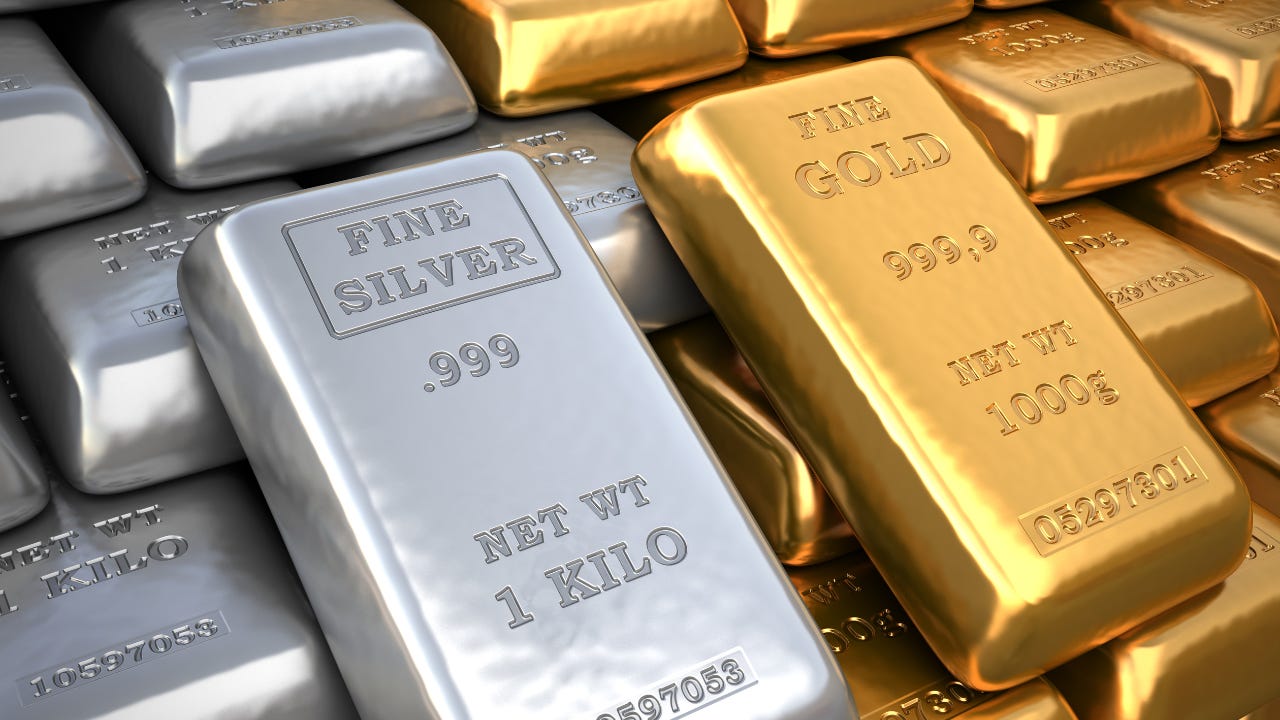
This is not financial, legal, or tax advice, and it is not a recommendation to buy or sell anything. It is simply a personal post exploring the differences between saving in gold, silver, and Bitcoin, so that people can think more clearly about how each asset fits their own situation.
Gold and silver are having their moment again, and many savers are wondering whether to ride the metals wave instead of holding Bitcoin, or even skip Bitcoin entirely and stick with what feels familiar and tangible. On the surface, it seems obvious: shiny metals you can hold versus a digital asset that lives on the internet. Humans have trusted gold and silver as money and as a store of value for a very long time, while bitcoin is still young in comparison, which naturally makes many people more comfortable with metals.
The deeper you look, though, the more bitcoin starts to resemble an upgraded version of what people like about monetary metals. Gold and silver do not have a strict supply cap; miners can always dig more out of the ground, and higher prices tend to encourage more production over time, so the supply grows in a somewhat flexible way. Bitcoin, in contrast, has a programmed issuance schedule that roughly halves the new supply every four years and stops completely at a fixed maximum number of coins, making its long‑term supply more strictly limited than that of any major metal. For someone thinking in decades, that predictable scarcity is a powerful feature, especially if the main concern is currency debasement rather than short‑term price moves.
Day‑to‑day, the differences show up in how each form of savings fits into real life.
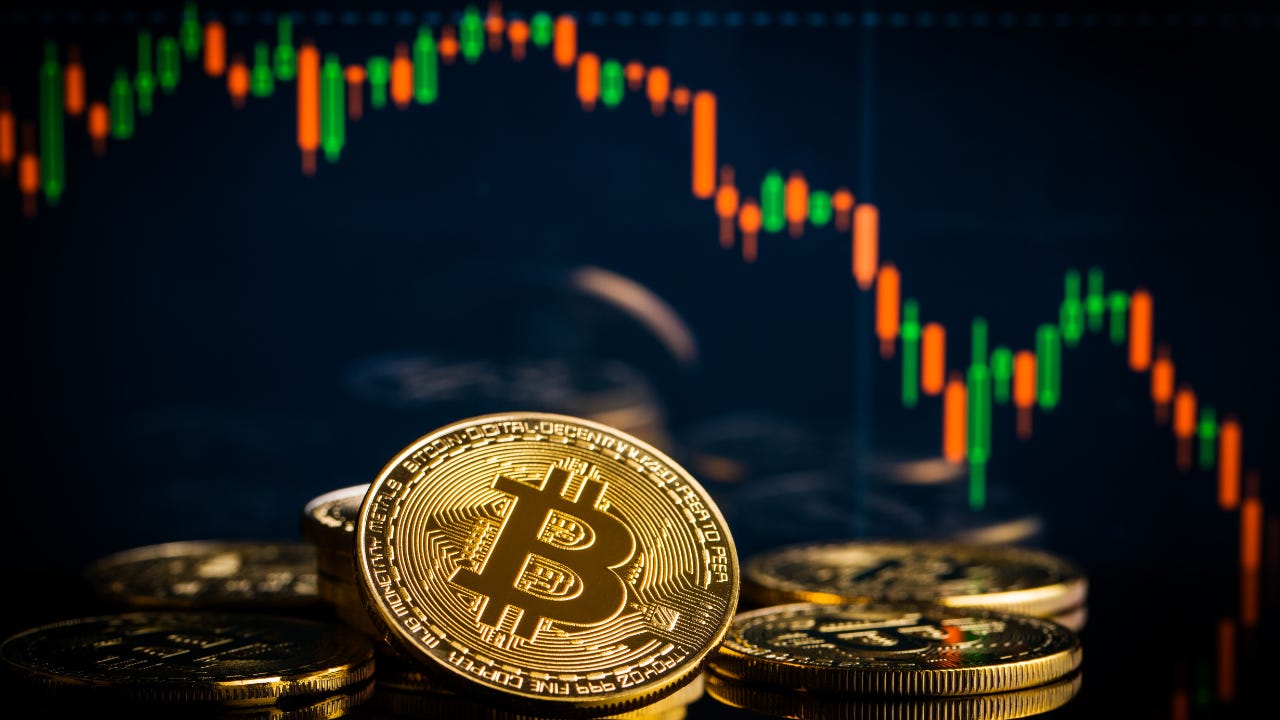
Significant amounts of gold or silver are heavy, expensive to ship, and awkward to move across borders, so large positions usually end up sitting in vaults or custodial accounts that require trust in intermediaries. Bitcoin, by design, lets a saver move meaningful value across the world in minutes and hold it personally with nothing more than a small device and a set of keys, which is something metals simply cannot match at scale. That combination of portability and self‑custody turns savings into something that is hard to confiscate, censor, or quietly rehypothecate without the owner’s knowledge.
Even the question of “Is it real?” plays out differently.
With metals, verifying purity at scale requires assays, trusted refiners, or reputable vaults, and there is always a lingering concern about fakes or whether the same bar has multiple paper claims on it. Bitcoin shifts the trust model away from warehouses and paper to math and open networks, with a public ledger that allows anyone to verify total supply and ownership transfers without needing to trust a specific institution. For savers who have seen banking crises, capital controls, or broken promises from institutions, transparency can be as comforting as the weight of a gold coin.
The trade‑offs, however, cannot be ignored. Over long horizons, bitcoin has massively outperformed gold in terms of total return, which is why long‑term savers who learned about it early have been so vocal about its role as a savings asset. But that outperformance came with violent drawdowns and periods where bitcoin behaved more like a high‑beta tech stock than a defensive “crisis hedge.” Gold, and to a lesser degree silver, tends to move less and sometimes hold their value better in classic risk‑off panics, even though silver itself can be extremely volatile in bursts and can swing sharply in both directions.

So, when someone who already saves in metals is tempted to abandon bitcoin because gold and silver are running, it helps to think in roles rather than winners. In this view, metals are the conservative base: time‑tested, tangible, relatively steady in deep crises, but with elastic supply and real‑world frictions. Bitcoin is the hard‑capped, digital layer on top of that: stronger in scarcity, portability, and verifiability, and historically much more powerful for growing purchasing power over long stretches, but with sharper drawdowns and ongoing regulatory and technological uncertainty. Framed that way, metals remain excellent for preserving what already exists, while bitcoin is better seen as the aggressive long‑term savings vehicle for the portion of wealth where someone is willing to accept volatility in exchange for those structural advantages.
To really understand Bitcoin as a savings asset, it helps to step back and study the history of money itself; specifically, how societies moved from shells and salt to gold and silver, then to paper, and now to digital systems. Learning why gold and silver emerged as monetary metals, how their scarcity and physical properties made them trusted stores of value, and how modern fiat currencies changed the game gives context for what bitcoin is trying to solve. Without that background, Bitcoin can look like a speculative tech toy; with it, you can see it as another chapter in the evolution of hard assets, sitting alongside metals rather than replacing them overnight.
Follow and Connect with the Author, Deanna Heikkinen

Connect with Deanna on X HERE
Buy her Bitcoin books for adults and children HERE
Learn about her Bitcoin Education organization HERE.
On Substack Deanna Heikkinen
About the Author
Deanna Heikkinen is an author, historian, and educator with over 15 years of experience in teaching. Holding a Doctorate in Education and Master’s degrees in both History and Anthropology, she brings deep academic insight and a love of storytelling to her exploration of world history, Western civilization, and the evolution of money. She co-authored, with her husband Joel, the 2004 book Shells to Satoshi: The Story of Money & The Rise of Bitcoin, which follows the development of money from ancient exchange systems to digital currency. Her 2025 book Ownschooling: Bitcoin, Sovereignty, and Educationencourages families to reimagine education, sovereignty, and financial literacy in an increasingly decentralized world. She is also developing a multi-level children’s book series that introduces the story of money, from cowrie shells to Bitcoin, to young readers.
As the founder of The Money Wisdom Project, a new nonprofit educational initiative, Deanna seeks to educate children and communities about the history of money and Bitcoin. The organization is working to create comprehensive curriculum packets on the history of money and Bitcoin to distribute free of charge to teachers, schools, communities, and Bitcoin circular economies. The project’s mission is to deepen financial and historical literacy while donating books on the history of money and Bitcoin to schools and public libraries worldwide, empowering learners of all ages to connect the lessons of history to today’s monetary systems.

